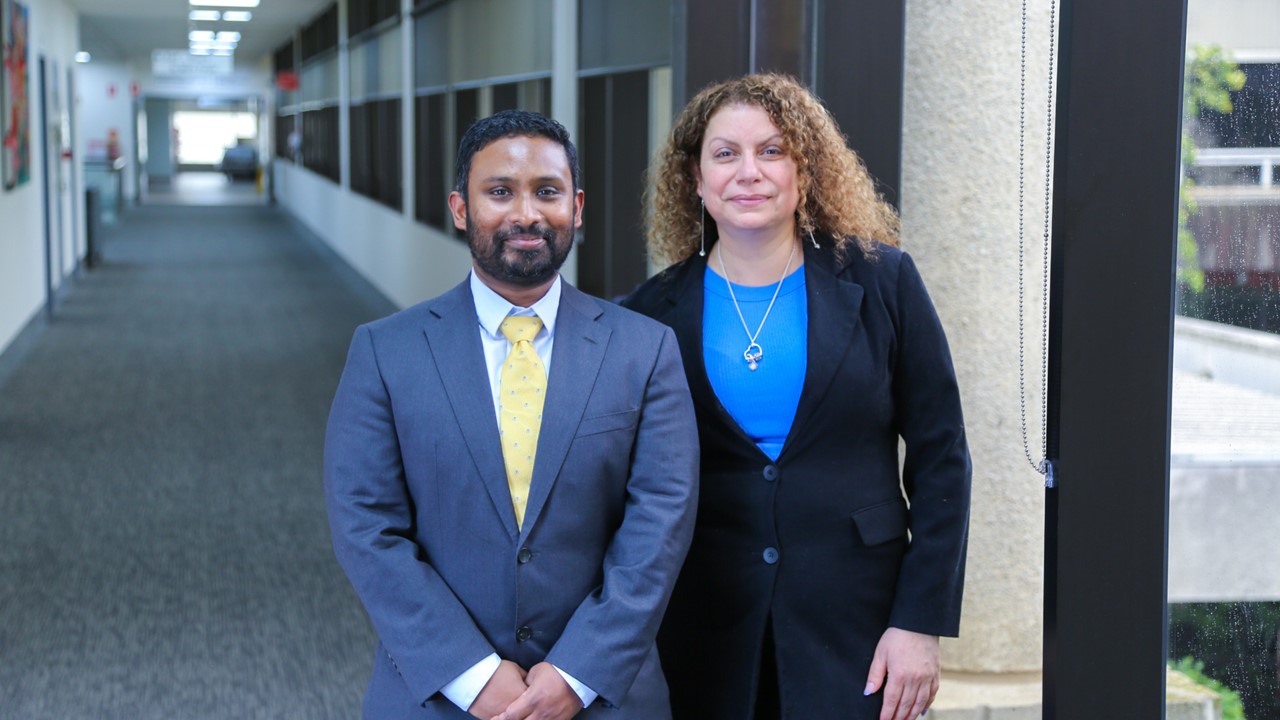
A/Prof Weranja Ranasinghe
in the news
News
Expert Urologist Dr. Weranja Ranasinghe Details Key Bladder Cancer Symptoms in Exclusive Daily Mail Feature
Centered on a grandfather’s diagnosis, Associate Professor Weranja Ranasinghe outlines critical bladder cancer warning signs for the Daily Mail, cautioning that symptoms like a single instance of blood in the urine or persistent pain should never be ignored.
Dr. Weranja Ranasinghe Warns Against Ignoring Key Bladder Cancer Red Flags in New Starts at 60 Feature
Highlighting the story of a Victorian grandfather, Associate Professor Weranja Ranasinghe emphasizes that even a single, painless episode of blood in the urine must never be dismissed, warning that early medical evaluation is absolutely vital to catching this underrecognized disease before it turns invasive.
Dr. Ranasinghe Joins 2CC Breakfast to Launch Bladder Cancer Awareness Month in Canberra
A/Prof. Waranja Ranasinghe highlights the stagnation in bladder cancer survival rates on 2CC Talking Canberra, urging the public to master early warning signs like blood in the urine during Bladder Cancer Awareness Month
- Bladder Cancer Interview
Dr. Weranja Ranasinghe Highlights Crucial Testicular Cancer Symptoms on 2SM and FIVEaa Broadcasts
In vital awareness segments across 2SM and FIVEaa, urologist Dr. Weranja Ranasinghe outlines why a quick monthly self-check routine is essential for young men, emphasizing that testicular cancer is highly curable if detected early.
- Testicular Cancer Interview
- Testicular Cancer Interview (Part 1)
- Testicular Cancer Interview (Part 2)
South Western Times Features Dr Weranja Ranasinghe's Advise on Testicular Cancer Awareness
The South Western Times recently published “Young Men Urged To Be Alert” highlighting a Bunbury man’s battle with testicular cancer. The article features vital medical commentary from USANZ Associate Professor Waranja Ranasinghe, who outlines simple steps for monthly self-examinations.
Dr Weranja Ranasinghe Joins Cancer Survivor to Stress Why Early Detection of Testicular Cancer is Life-Saving
Dr Weranja Ranasinghe provides expert medical insights alongside a gripping first-hand account from survivor Daniel.
- Testicular Cancer (Part 1)
- Testicular Cancer (Part 2)
Honored with Best Oncology Presentation Award at #USANZ26
We are thrilled to share that A/Prof Weranja Ranasinghe’s presentation on Cxbladder triage won the top oncology award at the USANZ 2026 conference.
60-second testicular exam
Testicular Cancer Awareness
The importance of Family history in Prostate cancer
Interview on 4 BC Drive Program
Dr Ranasinghe was interviewed on 4 BC Drive Program – Drive with Gary Hardgrave
Push to increase prostate cancer testing
Dr Ranasinghe was interviewed by Sky News (April 2024).
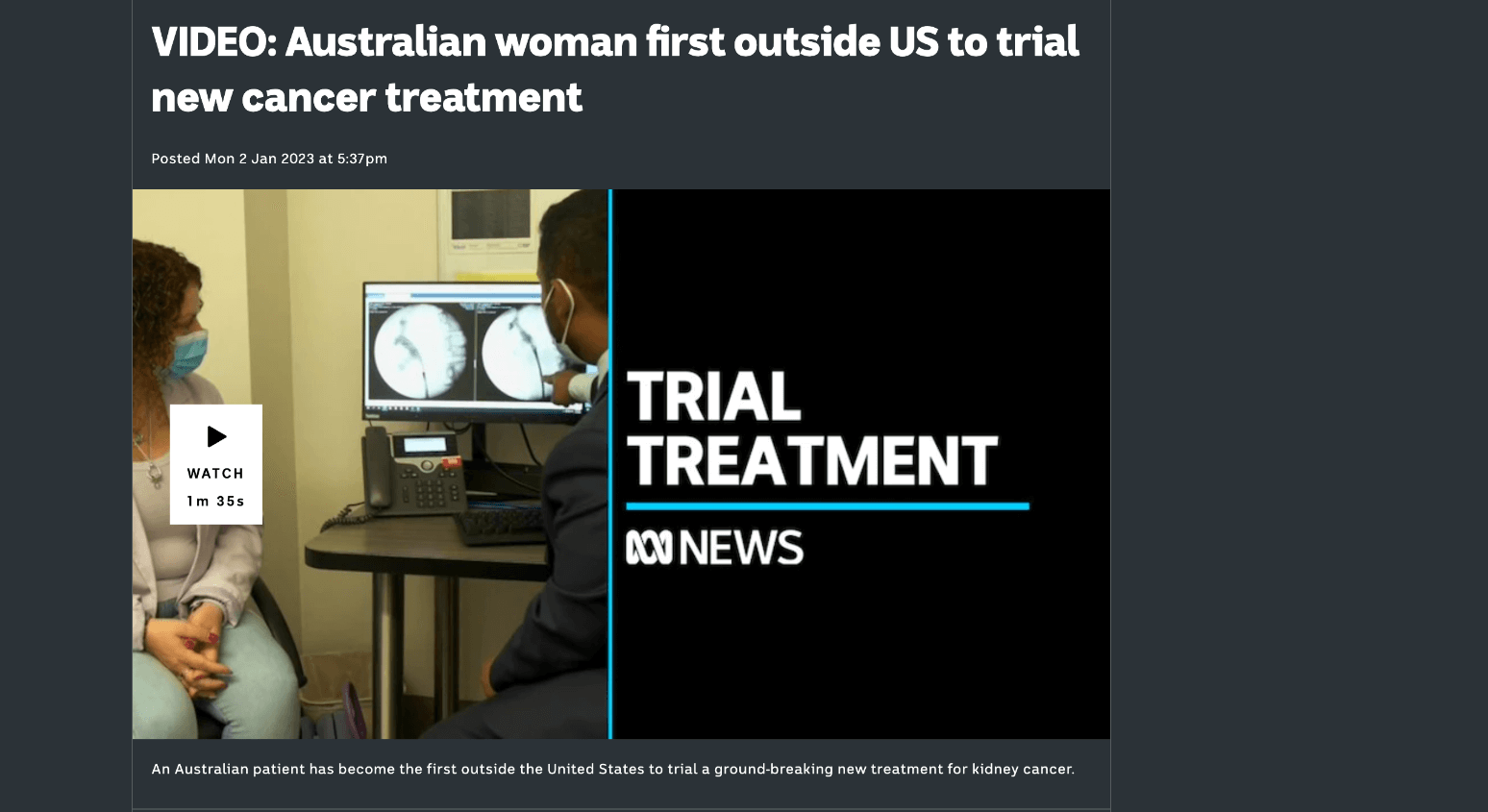
Australian woman first outside US to trial new cancer treatment
Assoc Professor Weranja Ranasinghe on ABC News
Current PSA guidelines aren’t fit for purpose
Plenty has changed since prostate cancer screening guidelines were released nearly a decade ago.
Australian-first JELMYTO treatment in Australia successful
A/Prof Weranja speaks about early detection of prostate cancer'
Assoc Professor Weranja Ranasinghe in Oncology Republic
US protocol a life-saver
Assoc Professor Weranja Ranasinghe in The Herald Sun.
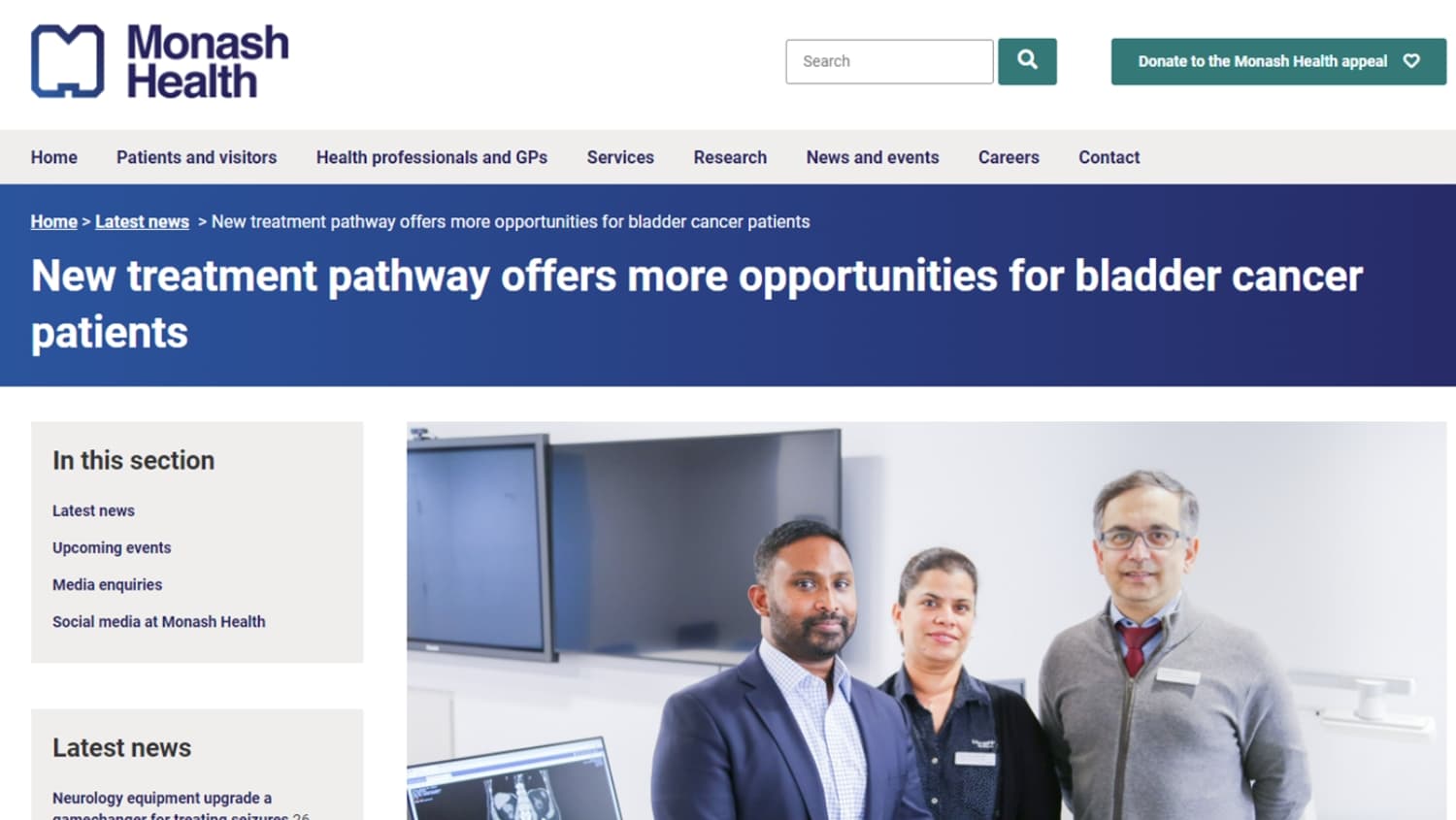
New treatment pathway offers more opportunities for bladder cancer patients
A new treatment pathway to give patients a fighting chance against bladder cancer has been developed at Monash Health.
Online Support Groups & Psychological Morbidity in Prostate Cancer
Among men with prostate cancer, studies have shown a high prevalence of depression and anxiety.
Research news
New immune biomarker panel may predict bladder cancer treatment response: Monash researchers
New markers for personalised bladder cancer therapy
About A/Prof Weranja Ranasinghe
As an experienced Australian-trained urologist and uro-oncologist, Assoc Professor Weranja Ranasinghe provides urology & uro-oncology services, and robotic surgery to all his patients in the greater Melbourne area. He is well-known and recognised for his work in urologic cancers, especially aggressive prostate cancers.